
Turn Your Kitchen Exhaust System Into a Business Asset
Imagine the Friday evening rush. Your restaurant is packed, orders are flying into the kitchen, and the energy is electric. Suddenly, a plume of smoke fills the air, not from a sizzling steak, but from a failing exhaust hood. The frantic pace grinds to a halt. This single point of failure can shut down your entire operation, leading to lost revenue and unhappy customers. For many F&B owners in Malaysia, the equipment in their kitchen is seen as a one-time purchase. However, the true cost goes far beyond the initial invoice. We believe it is time for a smarter approach, one that transforms a necessary expense into a strategic business advantage by focusing on the entire lifecycle of your kitchen exhaust system, not just its purchase price.
The Hidden Iceberg: Understanding The Full Cost Of Ownership
The price tag on a new ventilation system is merely the tip of the iceberg. The real costs lie beneath the surface, silently draining your resources over time. When you purchase equipment outright, you are also buying into a host of unpredictable future expenses. These include:
- Installation and Commissioning:
Proper setup is complex and requires experts to ensure it meets operational and performance standards from day one. - Unexpected Repairs:
A motor can burn out or a fan belt can snap without warning. These reactive repairs come with premium charges for emergency call-outs and parts. - Downtime and Lost Revenue:
Every hour your kitchen is non-operational due to equipment failure is an hour of lost sales and potential damage to your brand’s reputation.
Viewing the system as a simple asset ignores these ongoing liabilities. A comprehensive solution, however, accounts for every one of these operational factors.
From Heavy Investment To Smart Spending
One of the biggest hurdles for any growing F&B business is managing cash flow. A large capital expenditure (CAPEX) on kitchen equipment can tie up significant funds that could be better used for marketing, menu development, or even opening a new branch. This is where a strategic shift in perspective becomes powerful.
By converting this large, upfront cost into a predictable operational expenditure (OPEX), you change the financial dynamic of your business. Our rental solution allows you to get a state-of-the-art system with zero capital outlay. Instead of a massive initial bill, you have a fixed monthly fee. This makes budgeting simple and predictable, freeing up your capital to fuel growth where it matters most. It’s a financially astute move that prioritizes liquidity and business agility over asset ownership.
Proactive Maintenance: Your Best Defence Against Downtime
The old saying, “If it ain’t broke, don’t fix it,” is a dangerous philosophy in a commercial kitchen. Waiting for your system to fail is a reactive strategy that guarantees disruption. A proactive approach is essential for safeguarding your revenue. Our service model is built around scheduled, preventative maintenance. We don’t wait for your call; we are already on the calendar.
Our teams conduct regular inspections, clean critical components, and replace wearing parts before they fail. This meticulous attention to detail ensures your system operates at peak efficiency, minimizing the risk of unexpected breakdowns. This proactive stance keeps your kitchen running smoothly, your staff safe, and most importantly, your doors open for business, protecting your revenue stream from the costly impact of downtime.
Future-Proofing Your Kitchen With The Right Technology
Technology in the air quality industry is constantly evolving. Systems are becoming more efficient, quieter, and better at capturing pollutants. When you buy a system, you are locked into that specific technology until your next major capital investment. A rental solution, however, offers a path to continuous improvement.
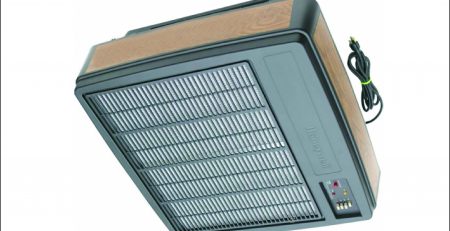
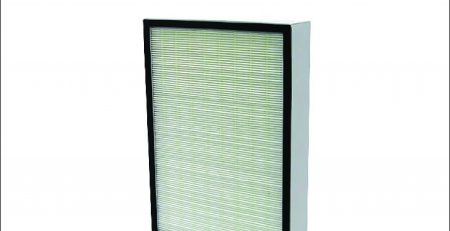
As part of our service, we ensure you have access to effective and modern equipment. This includes integrating advanced components like a commercial electronic air cleaner for kitchen, which offers superior filtration of grease and smoke particles. This helps create a cleaner, more pleasant environment for your staff and neighbouring businesses. Managing a modern kitchen exhaust system this way means you are never left behind with outdated, inefficient hardware, and the administrative burden of sourcing and servicing the equipment is completely lifted from your shoulders.
Ultimately, making the switch from ownership to a comprehensive rental service is a strategic business decision that optimizes your operations for growth and strengthens your cash flow. It moves the responsibility of maintenance and technological upgrades from you to a dedicated partner. This allows you to focus on what you do best: creating exceptional food and memorable experiences for your customers. By eliminating unpredictable costs and the risk of system failure, you are not just renting equipment; you are investing in operational stability and the long-term financial health of your business. It transforms a potential liability into a reliable, high-performing asset that supports your success.
Frequently Asked Questions
What is the main benefit of renting a kitchen exhaust system instead of buying one?
The main benefit is converting a large, upfront capital expense (CAPEX) into a predictable, monthly operational expense (OPEX), which frees up vital cash flow for other business growth activities.
What happens if the rented equipment breaks down?
Our rental agreement includes prompt support and system maintenance. In case of any technical issue, our team will respond quickly to repair or replace the unit to minimize your kitchen’s downtime.
Is a commercial electronic air cleaner included in the rental package?
Yes, our solutions can be customized to include advanced technology like a commercial electronic air cleaner for kitchen to ensure superior air filtration and standard efficiency.
How does a rental solution provide a better long-term cost-benefit?
It provides a superior cost-benefit by completely eliminating upfront capital expenditures, covering all ongoing maintenance and repair costs, and removing the risk of revenue loss from unexpected operational downtime.