
Air Pollution Control System: How It Works and Why It’s Essential for Malaysia’s Industries
Across Malaysia’s rapidly growing industrial landscape, clean air is becoming more than just a public health goal, it’s an operational responsibility. Every year, factories, refineries, and power plants face increasing pressure to minimize emissions and adopt technologies that ensure cleaner production. That’s where an air pollution control system plays a critical role.
At its core, this technology isn’t just about compliance, it’s about safeguarding the environment, workforce health, and the future of sustainable industrial growth. As an organization committed to responsible operations, we believe understanding how an air pollution control system works helps companies make informed decisions that benefit both business and society.
Understanding The Role Of Air Pollution Control
Industrial activities—such as manufacturing, chemical processing, and energy generation—naturally produce airborne pollutants. These include particulate matter, volatile organic compounds (VOCs), and gases like sulfur dioxide (SO₂) or nitrogen oxides (NOₓ). Without effective control, these pollutants contribute to smog, acid rain, and respiratory diseases.
An air pollution control system is designed to capture or neutralize these harmful substances before they are released into the atmosphere. Depending on the industry, these systems can use mechanical, chemical, or thermal processes to treat emissions. For Malaysian industries, where sustainability is now integrated into ESG and environmental compliance, investing in proper control systems is both a legal and ethical necessity.
How An Air Pollution Control System Works
There is no single method that fits all. Instead, an air pollution control system is a combination of technologies tailored to the type and concentration of pollutants generated by specific processes.
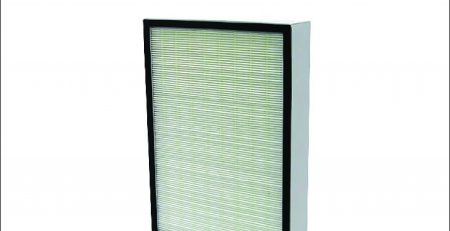
- Filtration and Dust Collection – Devices such as bag filters and cyclones remove large dust particles and fine particulates from exhaust air.
- Scrubbing and Absorption – Wet scrubbers use liquid solutions to absorb harmful gases like sulfur dioxide.
- Catalytic Converters and Thermal Oxidizers – These systems break down or burn off volatile organic compounds (VOCs) before they reach the atmosphere.
- Electrostatic Precipitators – Commonly used in power plants, these apply an electrical charge to airborne particles, causing them to stick to collection plates.
Each stage works in harmony to ensure emissions are treated efficiently. A properly maintained air pollution control system also enhances equipment lifespan and ensures compliance with Malaysia’s Department of Environment (DOE) regulations.
Why It Matters To Malaysia’s Industrial Future
Malaysia’s industrial success depends on balancing growth with environmental accountability. The government has introduced stricter environmental laws, including requirements under the Environmental Quality Act, to control air emissions. Failure to comply can result in fines, plant shutdowns, and reputational damage.
For us and many other responsible companies, adopting an air pollution control system is more than meeting regulatory standards, it’s about corporate integrity. Cleaner operations lead to improved worker health, reduced maintenance costs, and greater energy efficiency. In turn, this builds stronger relationships with clients, communities, and global partners who value sustainable practices.
Moving Toward A Cleaner Tomorrow
As industries evolve, so must our approach to environmental stewardship. Investing in advanced air pollution control system technologies ensures that Malaysia continues progressing toward a cleaner, greener economy without compromising industrial performance.
We see it as our shared duty to champion responsible solutions that protect both people and the planet. By understanding, implementing, and maintaining the right systems, we can collectively ensure that Malaysia’s skies remain clear, and our industries resilient, for generations to come.
Conclusion
An effective air pollution control system is not just an environmental tool, it’s a strategic investment. It represents our commitment to sustainability, compliance, and innovation. As Malaysia’s industries expand, the collective effort to control emissions will define the nation’s environmental legacy.
Clean air is no longer a luxury; it’s a necessity, and together, we have the power to make it possible.