
Air Pollution Control System Malaysia: Mitigating the Effects of Pollution
The Growing Urgency for Cleaner Air
Across Malaysia, rapid urbanization and industrial expansion have fueled economic progress, but also a growing environmental concern: worsening air quality. From factory emissions in Selangor to vehicle congestion in Kuala Lumpur, airborne pollutants are quietly shaping the health and sustainability of our cities. As a company deeply committed to environmental stewardship, we recognize that addressing these issues demands more than just compliance; it requires innovation and accountability through a comprehensive air pollution control system in Malaysia.
The Impact Of Industrial Emissions
Industrial zones remain one of the largest contributors to particulate matter (PM2.5), nitrogen oxides, and volatile organic compounds in our atmosphere. While environmental regulations set permissible emission limits, enforcement alone is not enough. The complex nature of industrial operations, from cement and steel plants to chemical and rubber processing facilities, means every process produces unique pollutants that require tailored control solutions.
We have seen firsthand how a well-engineered air pollution control system in Malaysia can transform industrial performance. By capturing, filtering, and neutralizing harmful particulates before they escape into the air, these systems not only help businesses comply with DOE (Department of Environment) standards but also create safer working environments and healthier communities.
The Role Of Technology In Pollution Mitigation
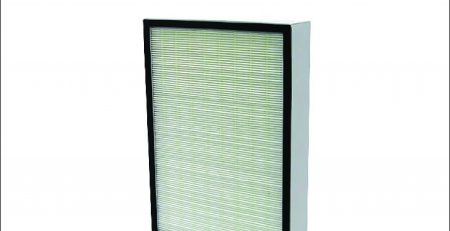
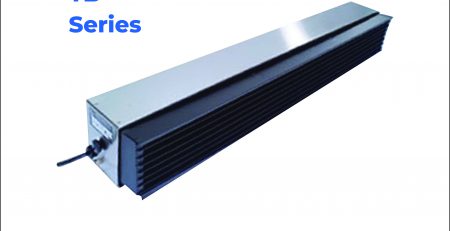
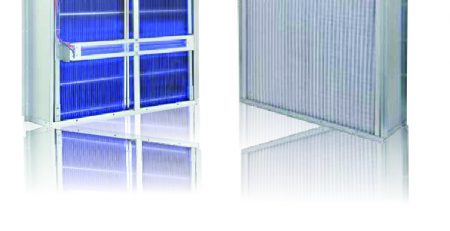
Modern pollution control technologies have evolved significantly. Systems such as electrostatic precipitators, fabric filters, and wet scrubbers now operate with higher efficiency and lower energy consumption. In recent years, Malaysian manufacturers have also begun integrating real-time monitoring sensors and IoT-based data analytics to optimize their filtration performance.
This digital transformation marks a critical shift, from reactive to predictive pollution management. Instead of waiting for a breach in emission levels, we can now analyze data trends, forecast potential spikes, and adjust operations proactively. This approach redefines how an air pollution control system in Malaysia can serve not just as a regulatory tool, but as a cornerstone of sustainable industrial practice.
Addressing Urban And Vehicular Pollution
While industrial emissions are significant, urban pollution driven by transport and construction activities has become equally concerning. Malaysia’s vehicle population surpassed 33 million in 2024, with traffic-related pollutants now accounting for nearly half of all PM2.5 emissions in major cities. We believe that mitigating this challenge requires multi-layered strategies, not only cleaner fuels and stricter emission standards but also efficient roadside dust suppression and ventilation control at infrastructure projects.
An integrated air pollution control system in Malaysia can be extended beyond factory walls to urban settings. For instance, localized filtration units in tunnels, construction sites, and high-traffic corridors can significantly reduce airborne dust and carbon emissions. Such applications bridge industrial expertise with public health outcomes, ensuring that environmental solutions reach where people live and breathe.
Economic And Social Benefits Of Cleaner Air
Cleaner air is not merely an environmental goal — it is an economic advantage. The World Bank estimates that air pollution costs Malaysia billions annually in healthcare expenses and lost productivity. Every investment in a reliable air pollution control system in Malaysia contributes to long-term savings by preventing respiratory illnesses, improving workforce health, and strengthening the nation’s green reputation among global investors.
Moreover, sustainable air management aligns with Malaysia’s broader agenda under the National Environmental Policy and the 12th Malaysia Plan, both emphasizing cleaner industries and resilient cities. By leading with responsible action, we not only protect the environment but also enhance corporate credibility and community trust.
Building A Sustainable Future Together
As we move toward a carbon-neutral future, the need for collaborative solutions becomes clearer. Governments, industries, and citizens must work hand in hand to adopt technologies and behaviors that safeguard air quality. Our role is to drive that transformation by designing, implementing, and maintaining advanced systems that truly make a difference.
Through every project we undertake, we reaffirm our belief that environmental protection and industrial growth can coexist. A high-performing air pollution control system in Malaysia is more than an engineering product, it is a commitment to future generations.
At the heart of our mission lies a simple truth: clean air sustains life, fuels progress, and defines the legacy we leave behind.